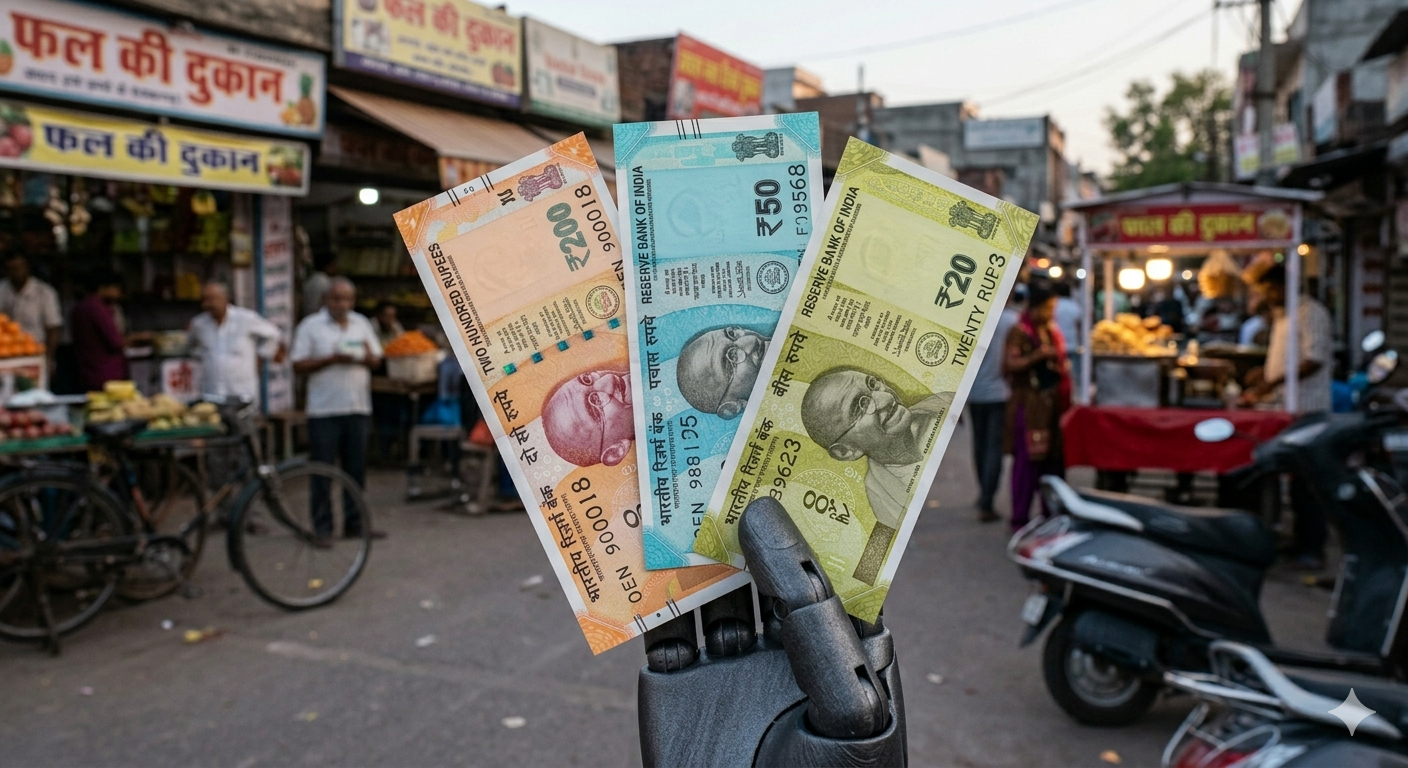
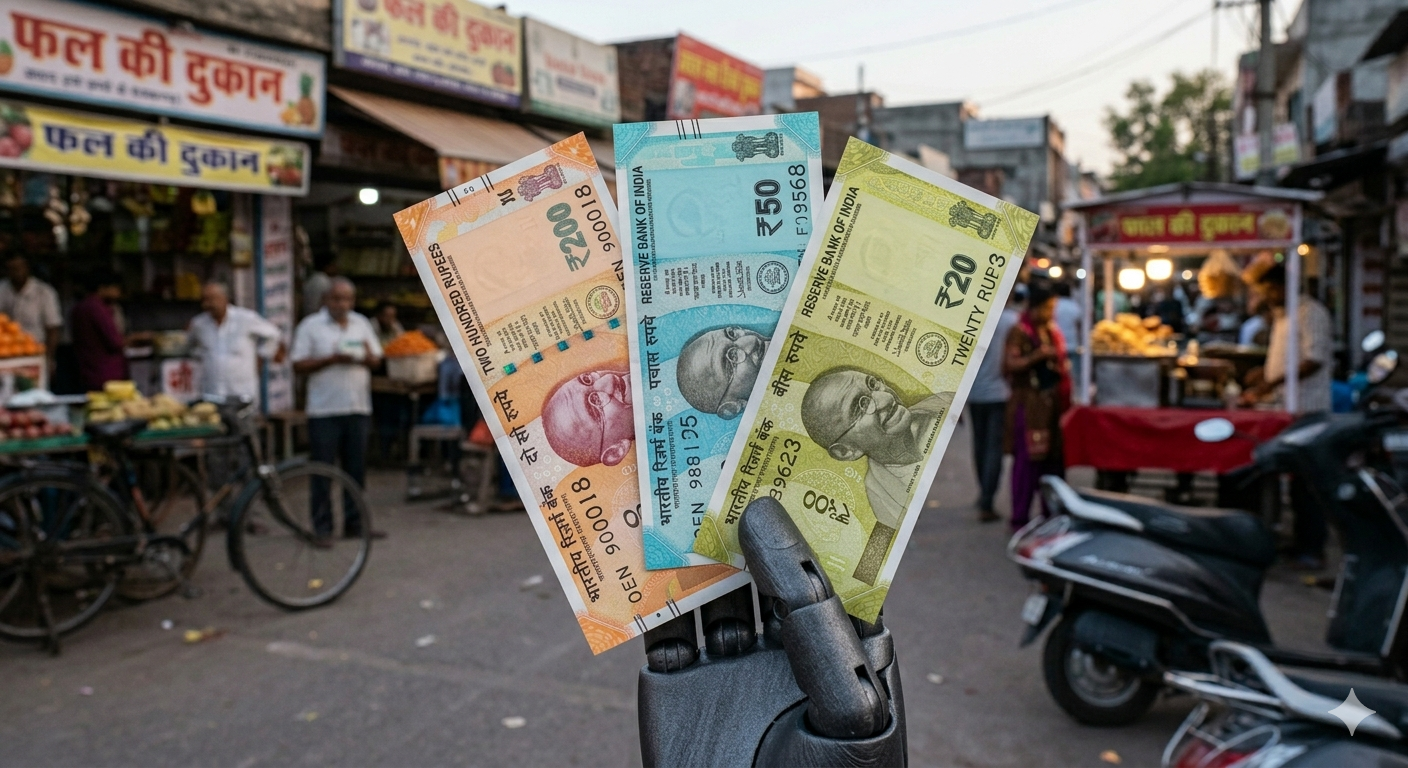
The debate surrounding the future of currency management in India has taken a major turn. Reserve Bank of India (RBI) Governor Sanjay Malhotra recently confirmed that the central bank is actively evaluating a proposal to introduce polymer (plastic) currency notes into circulation. While the proposal remains in its preliminary stages, this development revives an initiative that was first explored over a decade ago and marks a significant step toward addressing the rising costs and operational challenges associated with traditional paper banknotes.
What are Polymer Banknotes?
Unlike traditional Indian currency notes — which are made from a cotton-based paper substrate — polymer banknotes are manufactured using a thin, flexible plastic film, typically Biaxially Oriented Polypropylene (BOPP).
Despite being called "plastic notes," they are not rigid like credit cards. They possess the same flexibility as paper notes, can be folded, and are lightweight — but they have a smooth texture and significantly higher tensile strength.
Why is RBI Re-evaluating Plastic Notes Now?
Despite India's phenomenal growth in digital payments (via UPI), the volume of Cash in Circulation (CiC) continues to grow. This has put an immense structural strain on the RBI's currency management ecosystem due to two primary factors:
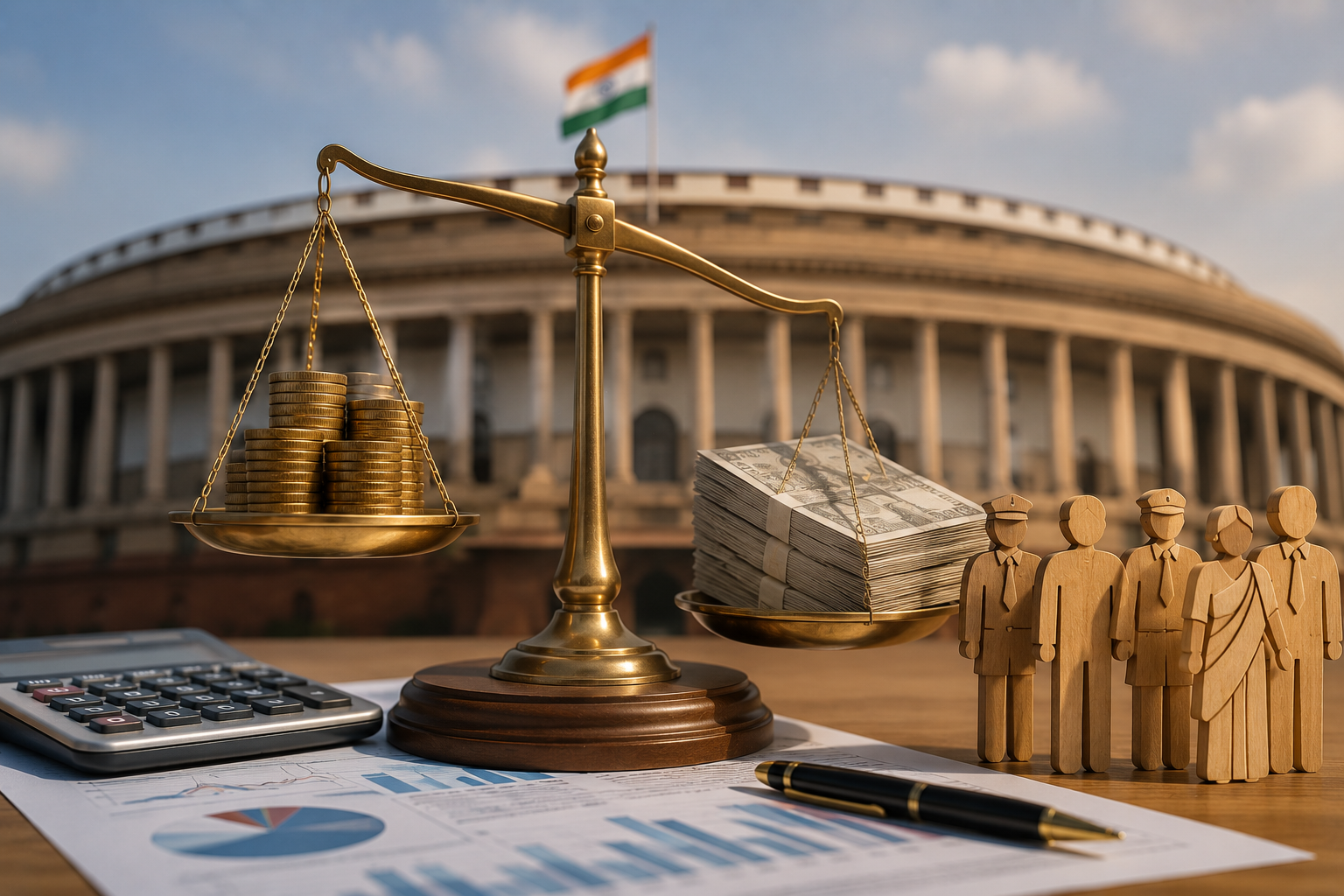
- Escalating Printing Costs: Currency printing costs shot up to ₹6,372.8 crore in FY 2024–25, compared to ₹5,101.4 crore in FY24, as per RBI annual reports.
- The Burden of Soiled Notes: Millions of low-denomination notes (₹10 and ₹20) circulate heavily among local markets, street vendors, and public transport. Their rapid velocity of circulation causes them to fray, tear, and become heavily soiled. In FY25 alone, the RBI disposed of approximately 23.8 billion pieces of soiled banknotes.
Key Comparison: Paper vs. Polymer Banknotes
| Feature | Paper Banknotes (Current) | Polymer Banknotes (Proposed) |
|---|---|---|
| Primary Material | Cotton-balsam / Cotton fibers | Biaxially Oriented Polypropylene (Plastic film) |
| Average Lifespan | 1.5 to 2 years (lower denominations) | 7+ years (2.5–4× longer) |
| Environmental Resilience | Absorbs moisture, prone to tearing and fungal growth | Completely waterproof, oil-resistant, soil-resistant |
| Counterfeiting Risk | Moderate to High | Very Low (allows advanced built-in features) |
| Initial Production Cost | Low | High |
| Long-Term Economics | High recurring replacement costs | Low long-term expenditure due to high durability |
| End-of-Life Lifecycle | Shredded and briquetted (landfills) | 100% Recyclable into consumer plastic products |
The Historical Context: India's 2012 Pilot Project
The concept of plastic money is not entirely new to India. This is a crucial timeline for competitive examinations:
- The 2012–2014 Plan: The Government of India and the RBI approved a field trial of 1 billion polymer notes of ₹10 denomination.
- Five Cities Chosen to test notes across diverse geographical and climatic zones:
- Kochi — High humidity
- Mysore — Temperate / Moderate climate
- Jaipur — Extreme desert heat
- Bhubaneswar — Coastal / Cyclonic conditions
- Shimla — Extreme cold / Alpine climate
- Why it was shelved: ATMs and counting machines struggled to process, stack, and dispense the plastic material effectively, leading to mechanical jams.
- The Current Shift (2026): Advanced international experience and modern sorting technology have resolved these machine-compatibility issues, prompting the RBI to revisit the proposal.
Key Advantages of Polymer Currency
- Enhanced Security Features: The non-porous plastic substrate allows advanced security elements — transparent windows, complex metallic holograms, shadow images, and color-shifting inks — that are nearly impossible to replicate on paper.
- Hygiene and Public Health: Paper notes easily absorb sweat, dirt, and bacteria. Polymer notes have a smooth, non-absorbent surface, making them significantly cleaner and less likely to act as vectors for diseases.
- Monsoon Durability: For a country heavily impacted by seasonal monsoons, waterproof currency prevents the massive loss of notes ruined by rainwater or accidental laundry washing.
Anticipated Challenges in Implementation
- High Initial Investment: Setting up domestic polymer production lines or modifying current currency printing presses requires substantial upfront capital.
- Systemic Hardware Calibration: Banks across India will need to recalibrate cash-sorting machines, CDMs (Cash Deposit Machines), and vending machines to handle the friction and thickness parameters of plastic bills.
- Public Adaptability: Rural economies and elderly citizens might initially display hesitancy in accepting a material that looks and feels fundamentally different from traditional legal tender.
Global Adoption Profile
More than 60 countries globally have integrated polymer currency into their banking systems.
- Australia was the pioneer, introducing the world's first polymer banknote in 1988 ($10 note).
- Other major economies that have completely or partially transitioned include Canada, the United Kingdom, New Zealand, Singapore, Vietnam, and Romania.
Conclusion: The Way Forward
If the RBI decides to move forward beyond the preliminary assessment, India is expected to roll out the initiative as a restricted pilot project focusing on ₹10 and ₹20 bills. Because these low-value notes act as the transactional workhorses of the Indian economy, testing them first will give the central bank solid, real-world data before scaling up the technology.
Exam-Oriented Quick Facts
| Point | Detail |
|---|---|
| Apex Body for Currency Management | Reserve Bank of India (Under RBI Act, 1934) |
| Current Material of Indian Currency | 100% Cotton Rag |
| Polymer Note Material | Biaxially Oriented Polypropylene (BOPP) |
| Pioneering Nation of Polymer Notes | Australia (1988) |
| RBI Governor (2026) | Sanjay Malhotra |
| Currency Printing Cost FY25 | ₹6,372.8 crore |
| Soiled Notes Disposed FY25 | ~23.8 billion pieces |
| 2012 Pilot Denomination | ₹10 note (1 billion pieces planned) |
| Countries Using Polymer Notes | 60+ countries |
| Key Economic Driver for Shift | High printing costs & high soilage volumes |