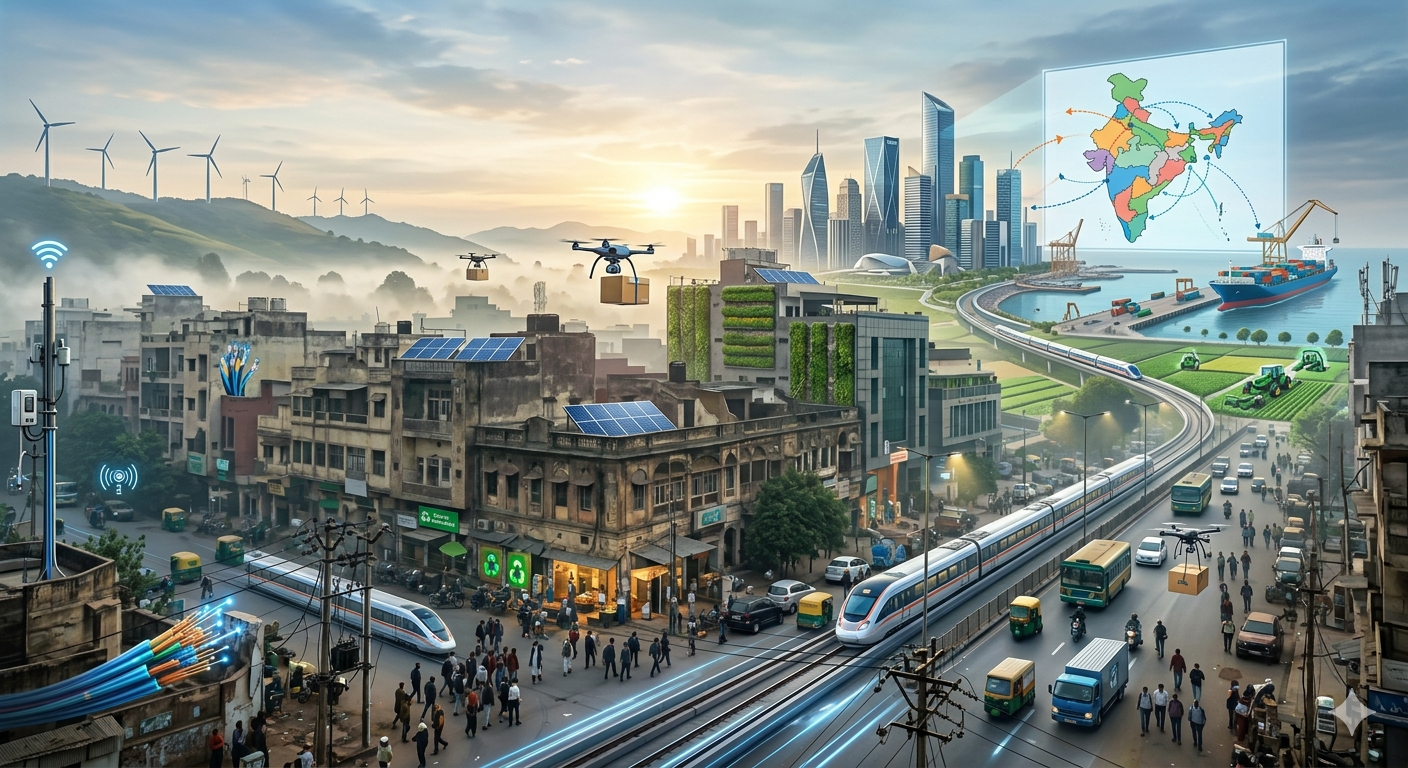
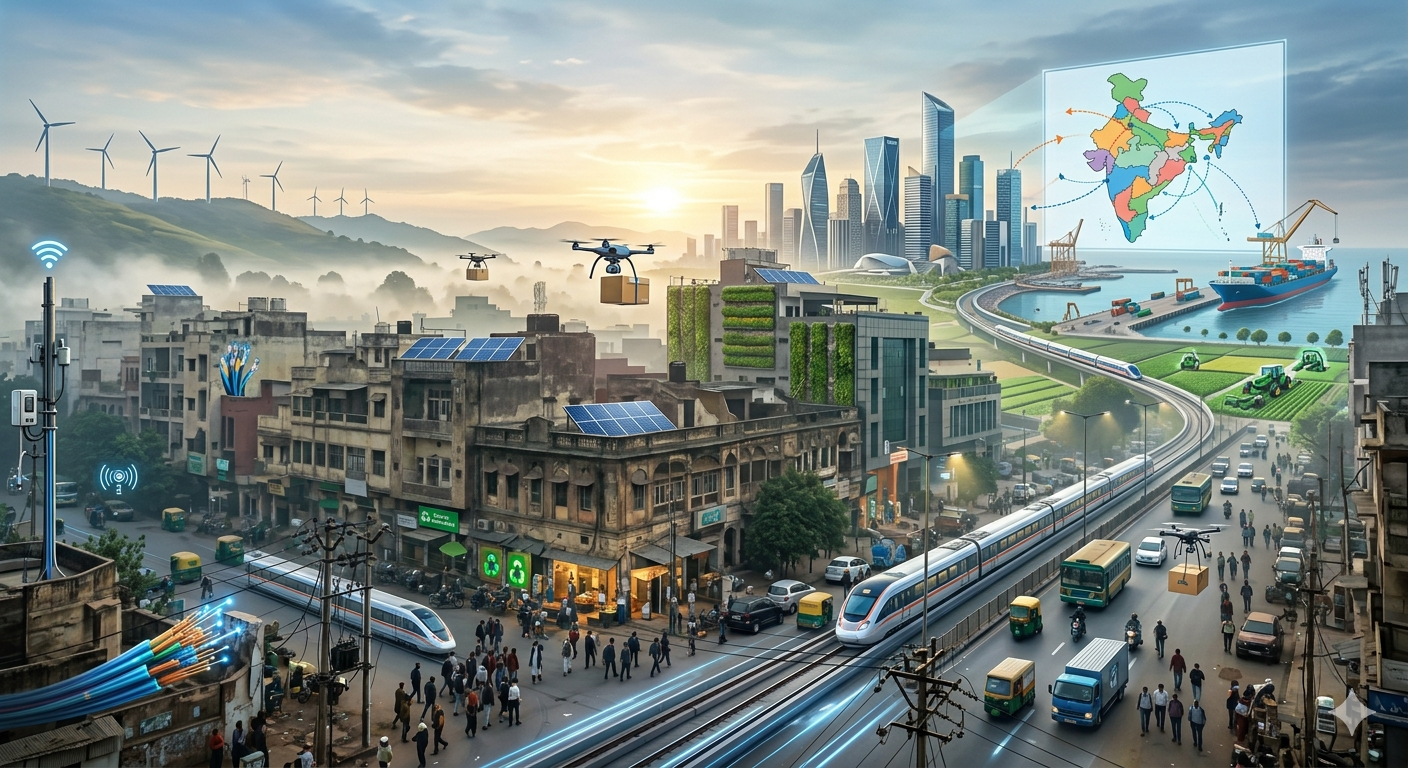
The Indian economy is one of the fastest-growing major economies in the world and plays a crucial role in the global economic landscape. With a population of over 1.4 billion people, India has emerged as a major center for manufacturing, services, technology, agriculture, and international trade. Over the past few decades, economic reforms, technological advancements, and infrastructure development have significantly contributed to India's growth story.
What is the Indian Economy?
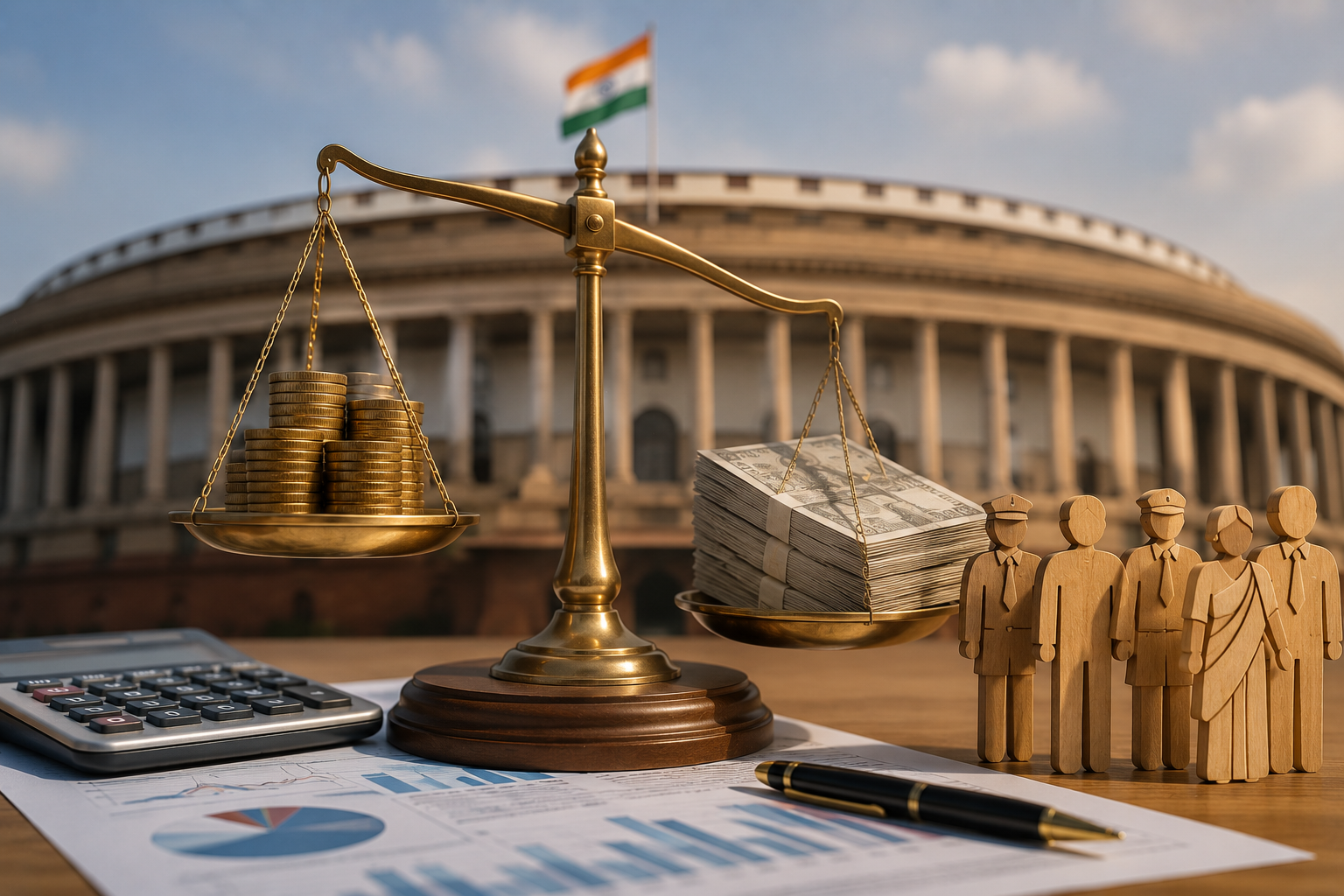
The Indian economy refers to the system of production, distribution, and consumption of goods and services within India. It is a mixed economy, combining elements of both private enterprise and government intervention.
India is currently among the world's largest economies by Gross Domestic Product (GDP) and continues to attract significant domestic and foreign investments.
Major Sectors of the Indian Economy
- Agriculture Sector: Remains the backbone of the Indian economy and provides employment to a large portion of the population. Major products include Rice, Wheat, Sugarcane, Cotton, Pulses, and Fruits & Vegetables. Despite modernization, it faces challenges such as climate change, fragmented land holdings, and water scarcity.
- Industrial Sector: Includes manufacturing, mining, construction, and power generation. Major industries include Automobile Manufacturing, Textiles, Pharmaceuticals, Steel Production, and Electronics. The Make in India initiative aims to boost this sector.
- Services Sector: The largest contributor to India's GDP. Includes IT, Banking & Finance, Telecommunications, Healthcare, Tourism, and Education. India's IT industry has earned global recognition.
Key Features of the Indian Economy
- Large Consumer Market: India's vast population creates one of the largest consumer markets in the world.
- Demographic Dividend: A large young population provides a strong workforce and growth potential.
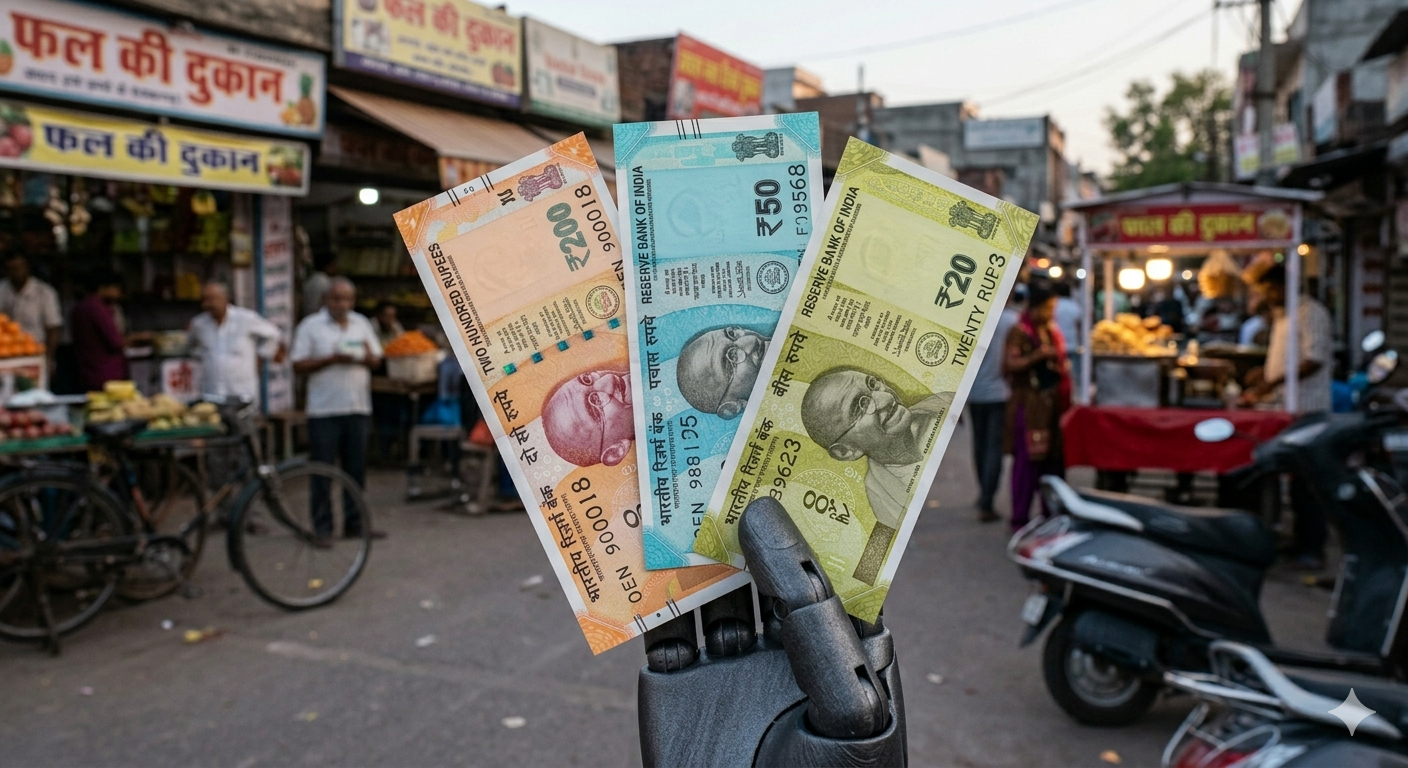
- Digital Transformation: Rapid adoption of digital technologies, online payments, and e-governance has transformed economic activities.
- Growing Global Influence: India has become an important player in international trade, investment, and economic policymaking.
Economic Reforms in India
Since the economic liberalization of 1991, India has implemented several reforms aimed at promoting growth and competitiveness:
- Liberalization of trade and investment policies.
- Goods and Services Tax (GST) — unified indirect tax reform.
- Digital India Initiative — promoting digital infrastructure.
- Insolvency and Bankruptcy Code (IBC) — improving business exit framework.
- Production Linked Incentive (PLI) Schemes — boosting domestic manufacturing.
Major Challenges Facing the Indian Economy
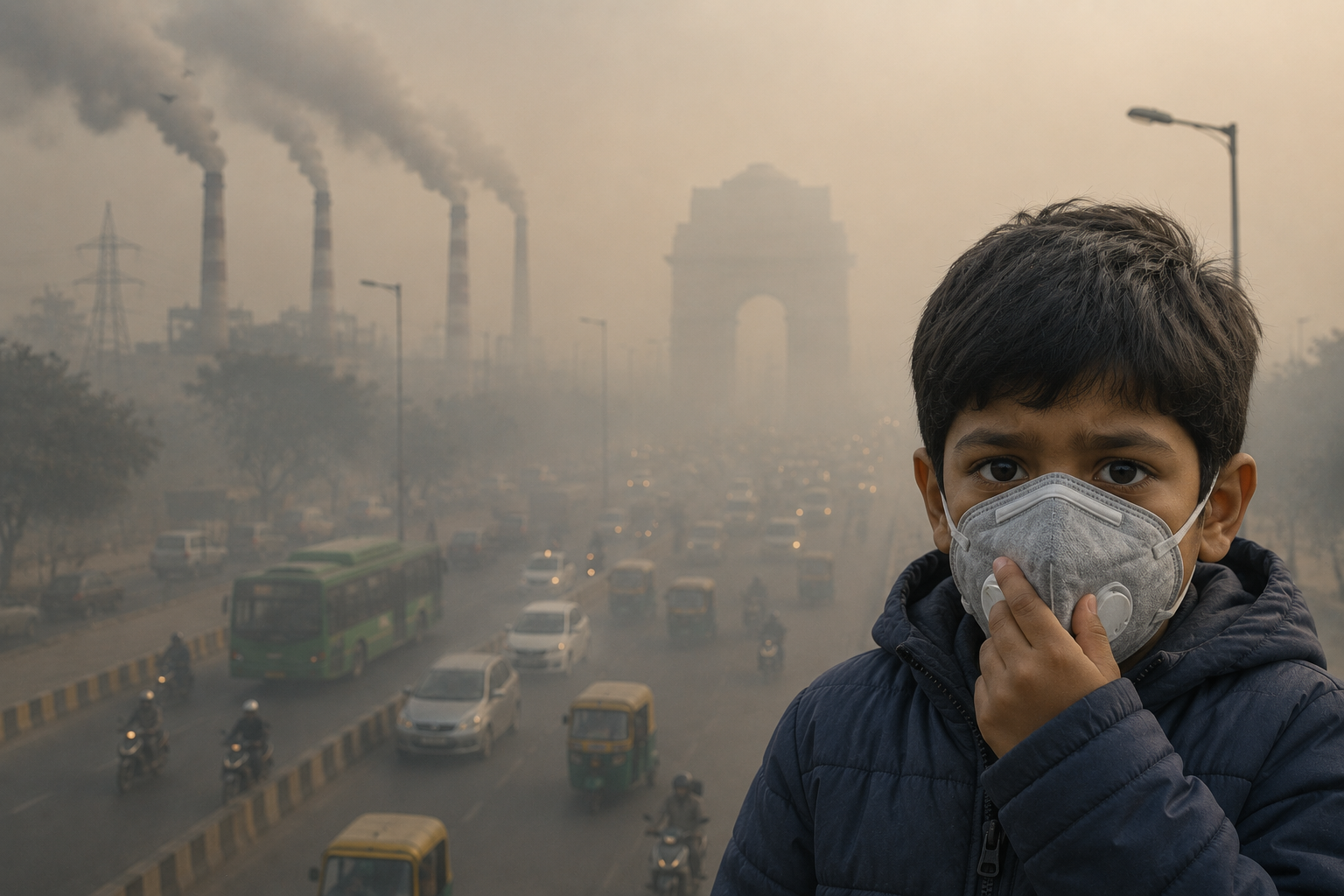
Key challenges include: Unemployment (creating jobs for a growing workforce), Inflation (rising prices affecting purchasing power), Income Inequality (uneven distribution of growth), Infrastructure Gaps (transportation, logistics, urban development), and Environmental Concerns (sustainable development vs. resource pressure).
Government Initiatives for Economic Growth
- Make in India — boosting domestic manufacturing.
- Startup India — promoting entrepreneurship and innovation.
- Skill India — developing a skilled workforce.
- Digital India — expanding digital infrastructure.
- PM Gati Shakti — multi-modal connectivity for infrastructure.
- National Infrastructure Pipeline (NIP) — large-scale infrastructure investment.
India's Economic Future
India is expected to remain one of the fastest-growing major economies in the coming decades. Key growth drivers include expansion of digital services, manufacturing growth, infrastructure development, renewable energy investments, and innovation & entrepreneurship.
Experts believe that continued reforms, technological advancement, and investment in human capital will help India achieve its long-term economic goals.
Conclusion
The Indian economy has demonstrated remarkable resilience and growth over the years. While challenges such as unemployment, inflation, and infrastructure development remain, India's strong economic fundamentals, youthful population, and ongoing reforms provide a solid foundation for future growth. With sustained policy support and innovation, India has the potential to become one of the world's leading economic powers in the coming decades.
Exam-Oriented Quick Facts
| Point | Detail |
|---|---|
| Economic System | Mixed Economy |
| Major Sectors | Agriculture, Industry, Services |
| Largest GDP Contributor | Services Sector |
| Key Reform Year | 1991 Economic Liberalization |
| Important Tax Reform | Goods and Services Tax (GST) |
| Manufacturing Initiative | Make in India |
| Digital Initiative | Digital India |
| Entrepreneurship Scheme | Startup India |
| Infrastructure Plan | PM Gati Shakti & National Infrastructure Pipeline |
| Key Challenge | Unemployment & Income Inequality |
| Growth Driver | Technology, Services & Infrastructure |
| Global Position | One of the Largest Economies in the World |