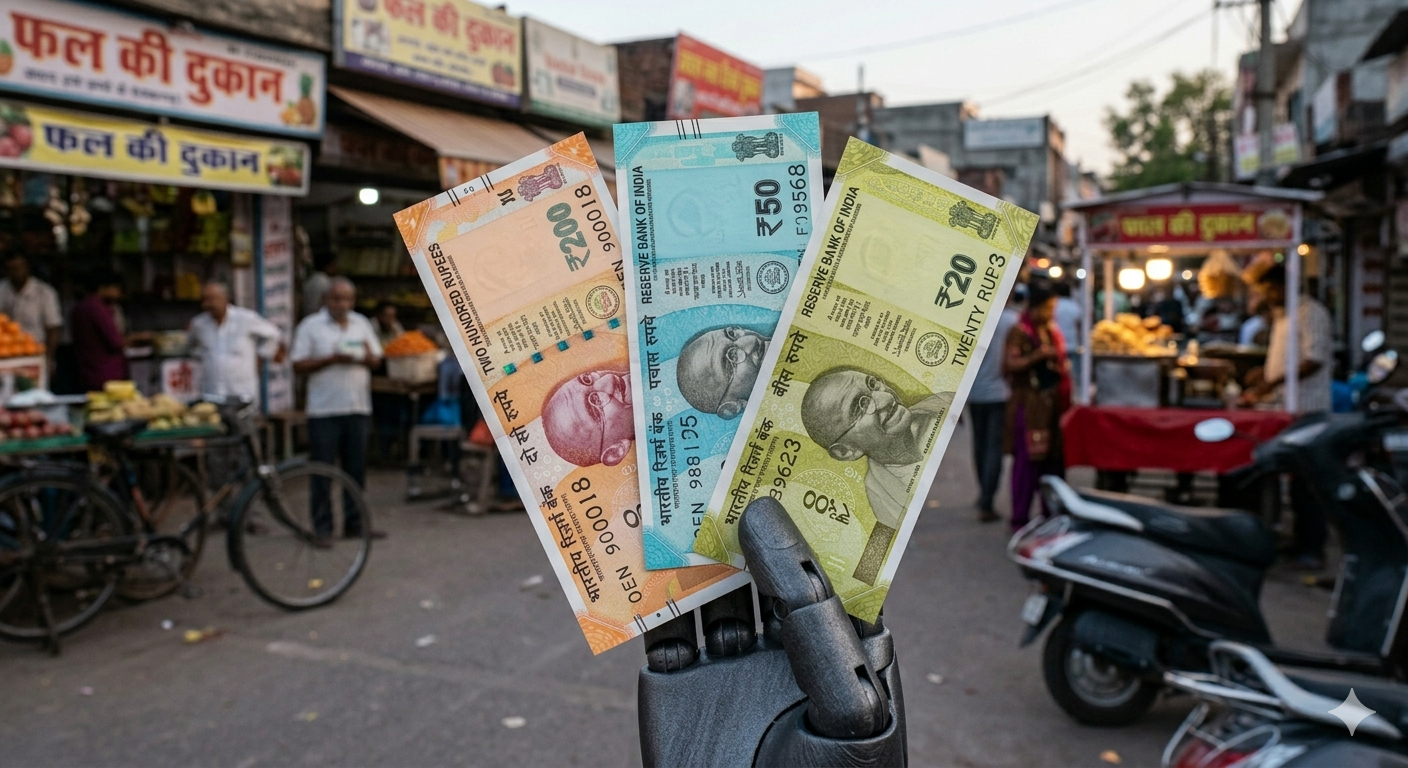
India, one of the world's fastest-growing economies, depends heavily on fuel to power its transportation, industries, agriculture, and daily life. Any disruption in fuel supply can have significant consequences for the country's economy and its citizens. In recent years, concerns about a potential fuel crisis have emerged due to rising global oil prices, geopolitical tensions, supply chain disruptions, and increasing energy demand.
Causes of the Fuel Crisis
One of the primary reasons behind fuel shortages and price fluctuations in India is its heavy dependence on crude oil imports. India imports nearly 85% of its crude oil requirements, making it vulnerable to international market changes. Conflicts in oil-producing regions, sanctions, and global supply disruptions can directly affect fuel availability and prices.
Additionally, the growing number of vehicles on Indian roads has increased fuel consumption. Rapid urbanization and industrial growth have further pushed energy demand to record levels. Natural disasters, logistical challenges, and refinery maintenance issues can also contribute to temporary fuel shortages.
Impact on the Economy
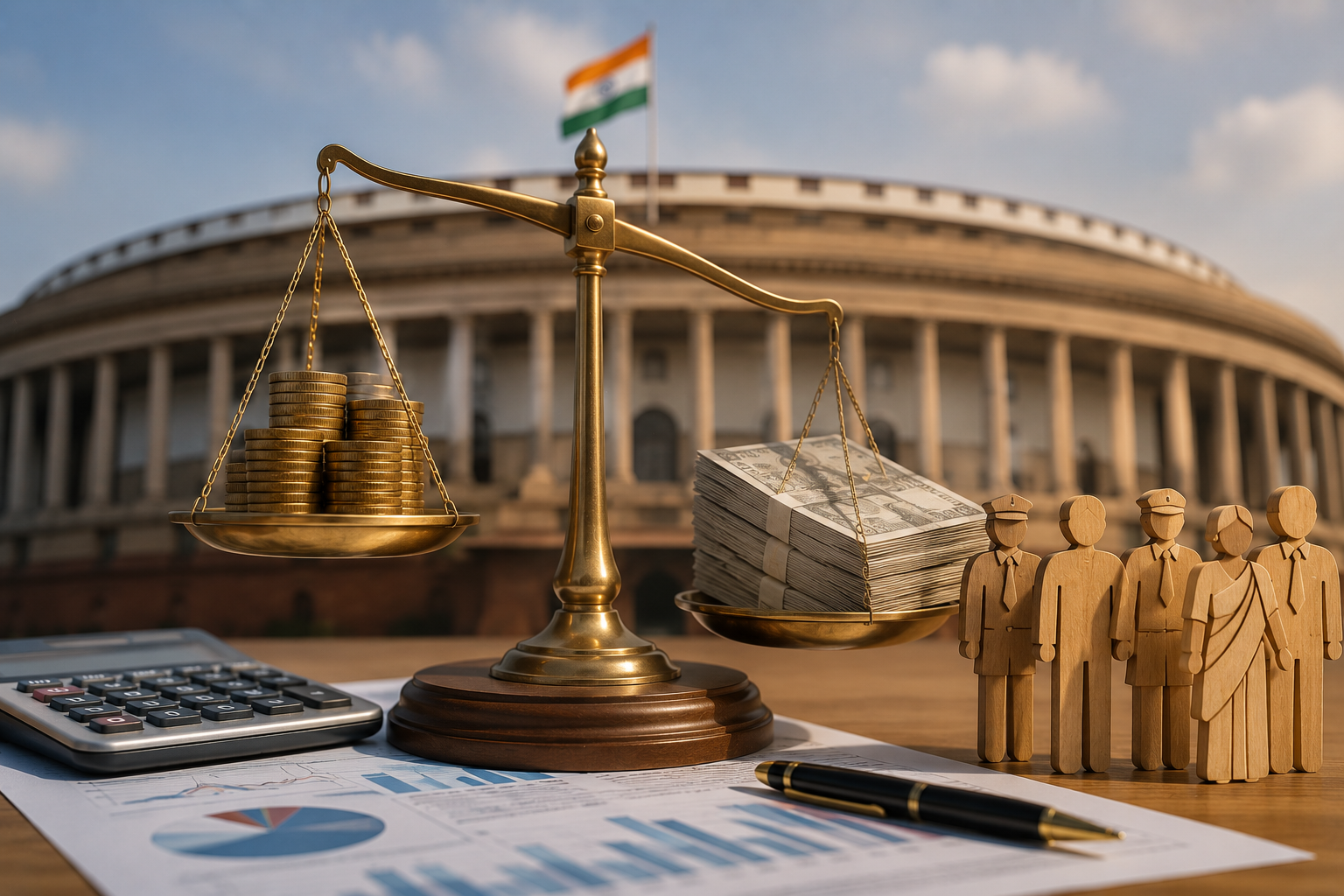
A fuel crisis can have a cascading effect across various sectors. Rising fuel prices increase transportation costs, which in turn raise the prices of goods and services. This leads to inflation and puts financial pressure on households.
- Industrial Impact: Industries that rely heavily on transportation and energy may experience higher operating costs, reducing profitability and affecting economic growth.
- Agricultural Impact: Farmers are also impacted, as diesel is widely used for irrigation pumps and agricultural machinery.
Impact on Daily Life
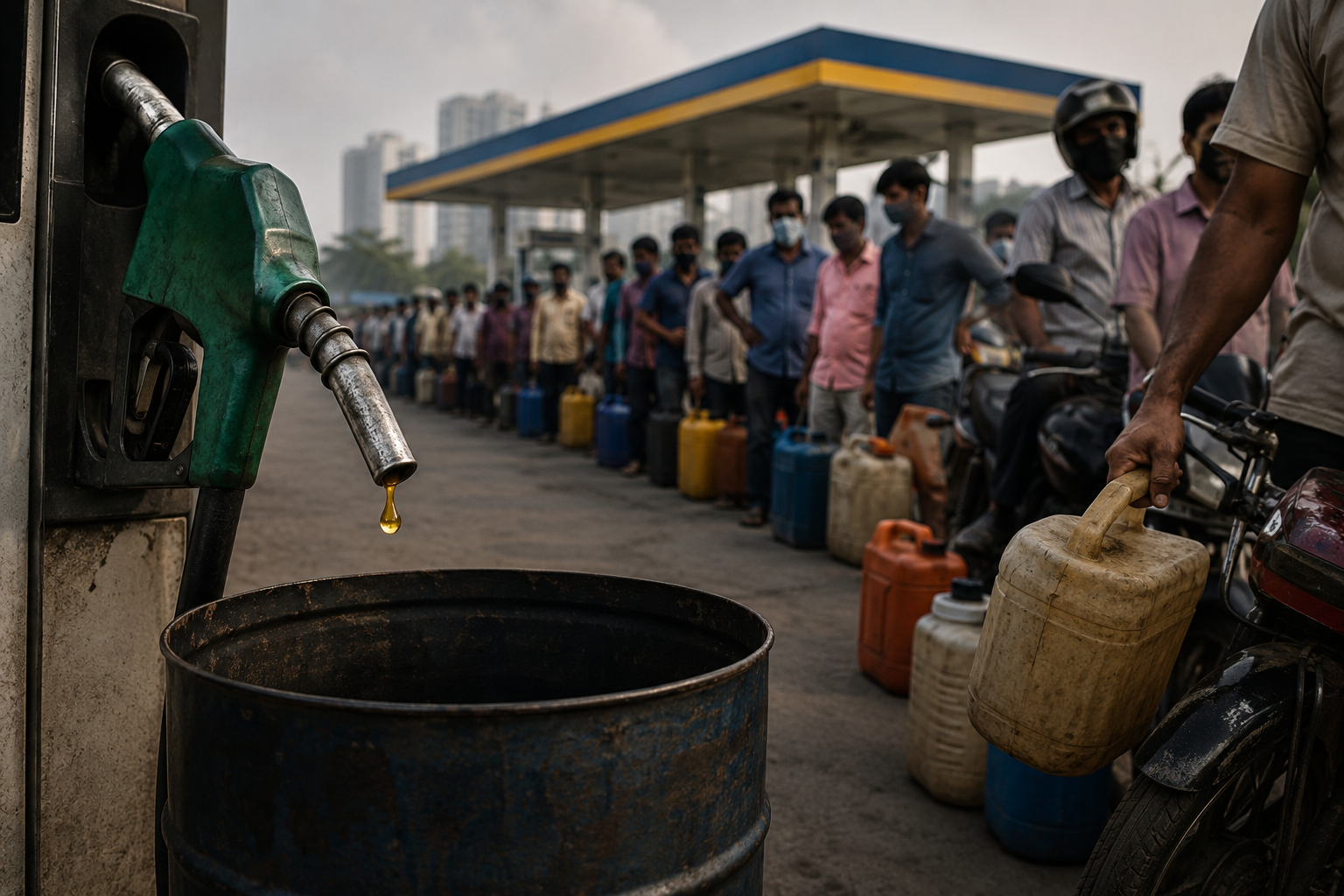
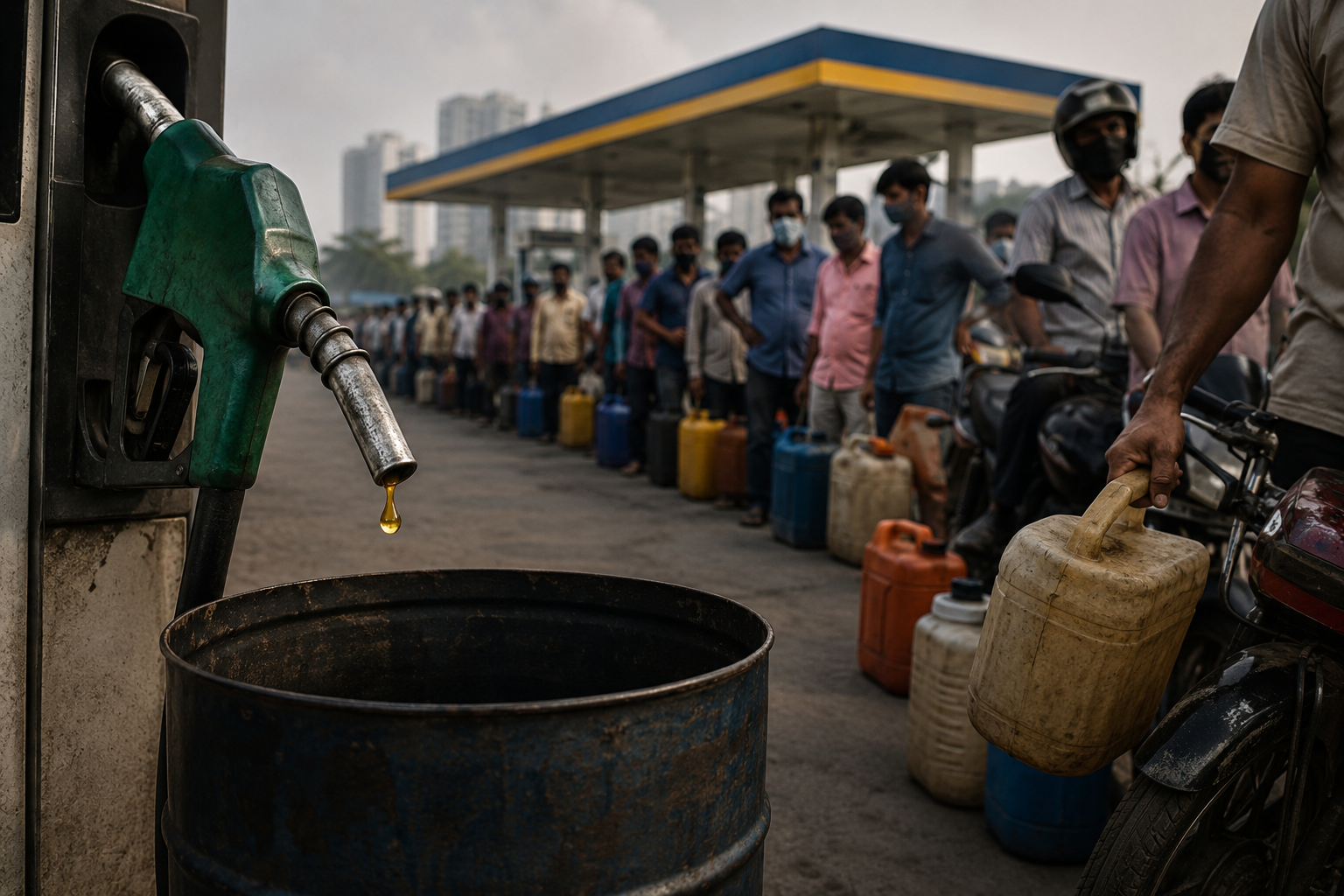
For ordinary citizens, higher fuel prices mean increased expenses for commuting and household goods. Public transportation fares may rise, and essential commodities can become more expensive due to higher logistics costs. In severe cases, fuel shortages can lead to long queues at petrol pumps and disruptions in daily activities.
Government Measures
The Indian government has taken several steps to address fuel-related challenges:
- Diversifying crude oil import sources to reduce dependency on any single region.
- Increasing strategic petroleum reserves to buffer against supply shocks.
- Promoting ethanol blending in petrol to reduce crude oil consumption.
- Encouraging the adoption of Electric Vehicles (EVs) to shift away from fossil fuel dependency.
- Investments in renewable energy such as solar and wind power to reduce long-term dependence on fossil fuels.
- Policies supporting green hydrogen and sustainable energy infrastructure to strengthen India's energy security.
The Way Forward
To avoid future fuel crises, India must continue its transition toward cleaner and more sustainable energy sources. Key strategies include:
- Expanding public transportation networks to reduce individual fuel consumption.
- Improving fuel efficiency standards for vehicles and industries.
- Promoting electric mobility and supporting EV infrastructure development.
- Investing in domestic energy production to reduce import dependency.
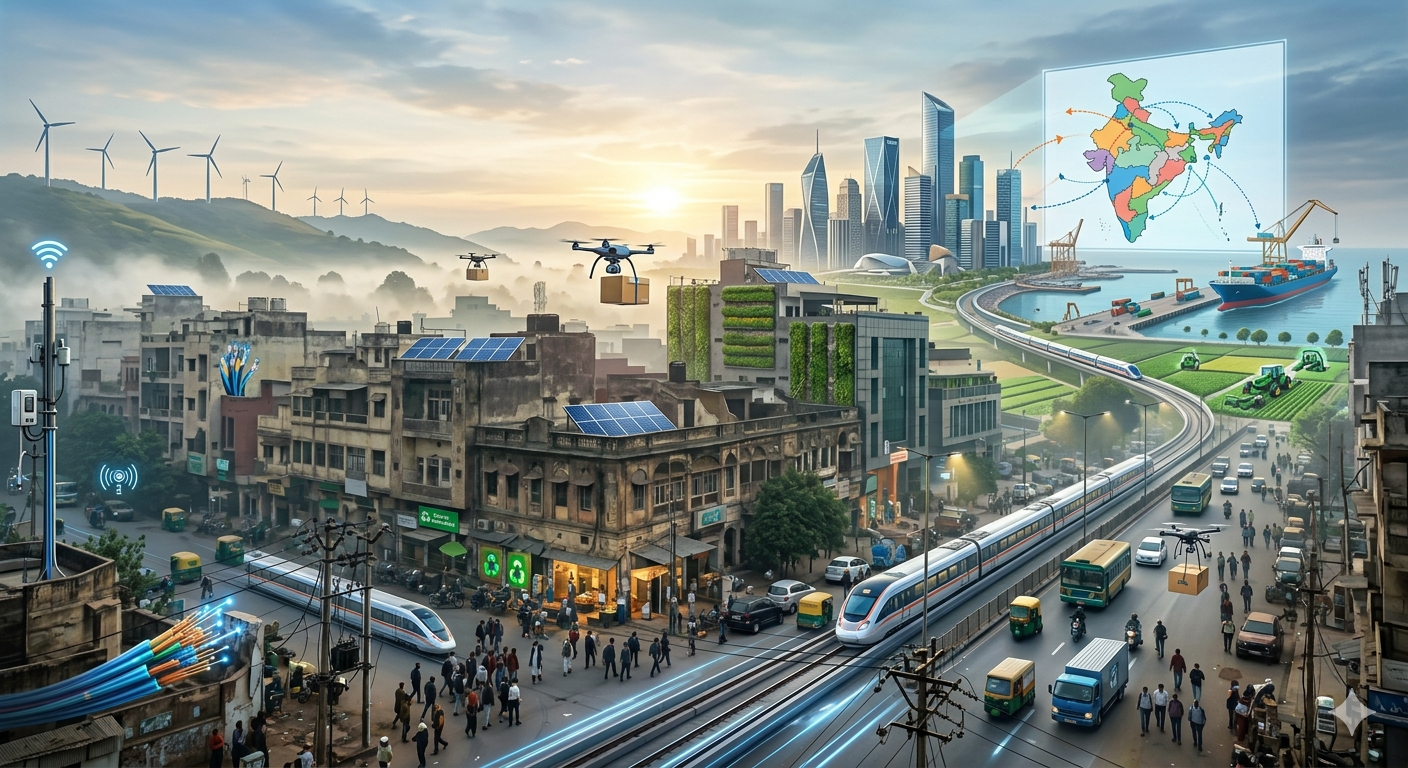
A balanced energy strategy that combines traditional fuels with renewable alternatives will help ensure energy security, economic stability, and environmental sustainability for the country's future.
Conclusion
The fuel crisis remains a significant challenge for India due to its dependence on imported crude oil and rising energy demand. While short-term measures can help manage supply disruptions, long-term solutions lie in diversifying energy sources and accelerating the transition to renewable energy. With proper planning and investment, India can build a more resilient and sustainable energy future.
Exam-Oriented Quick Facts
| Point | Detail |
|---|---|
| India's Crude Oil Import Dependency | ~85% of total crude oil requirement |
| Primary Use of Diesel in Agriculture | Irrigation pumps & agricultural machinery |
| Key Government Initiative | Ethanol Blending Programme (EBP) |
| Strategic Petroleum Reserves | Managed by Indian Strategic Petroleum Reserves Ltd. (ISPRL) |
| Renewable Energy Focus | Solar, Wind, Green Hydrogen |
| India's EV Promotion Scheme | FAME India (Faster Adoption and Manufacturing of EVs) |
| Major Cause of Fuel Price Rise | Geopolitical tensions & global supply disruptions |
| Long-Term Energy Goal | Energy security through renewable diversification |