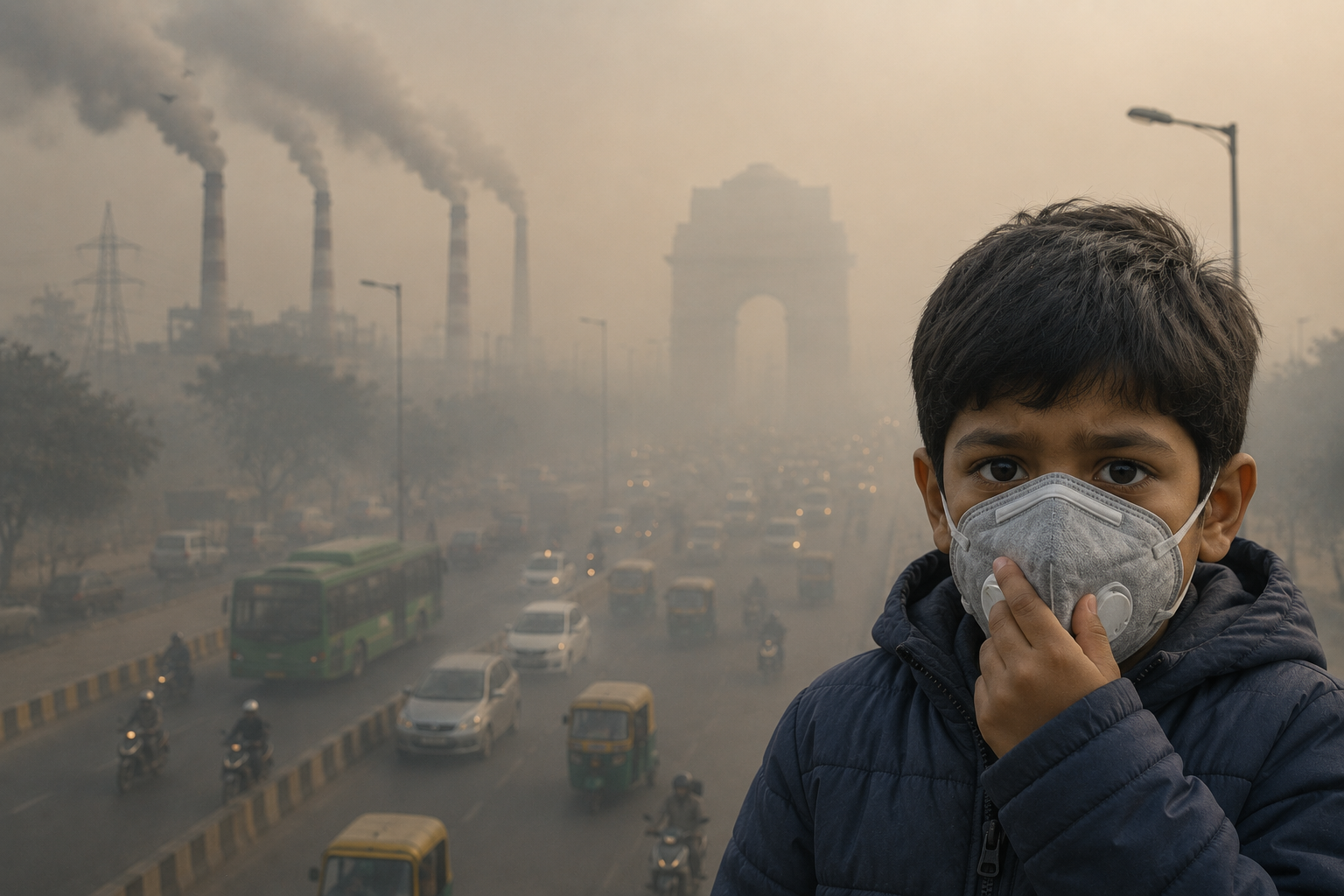
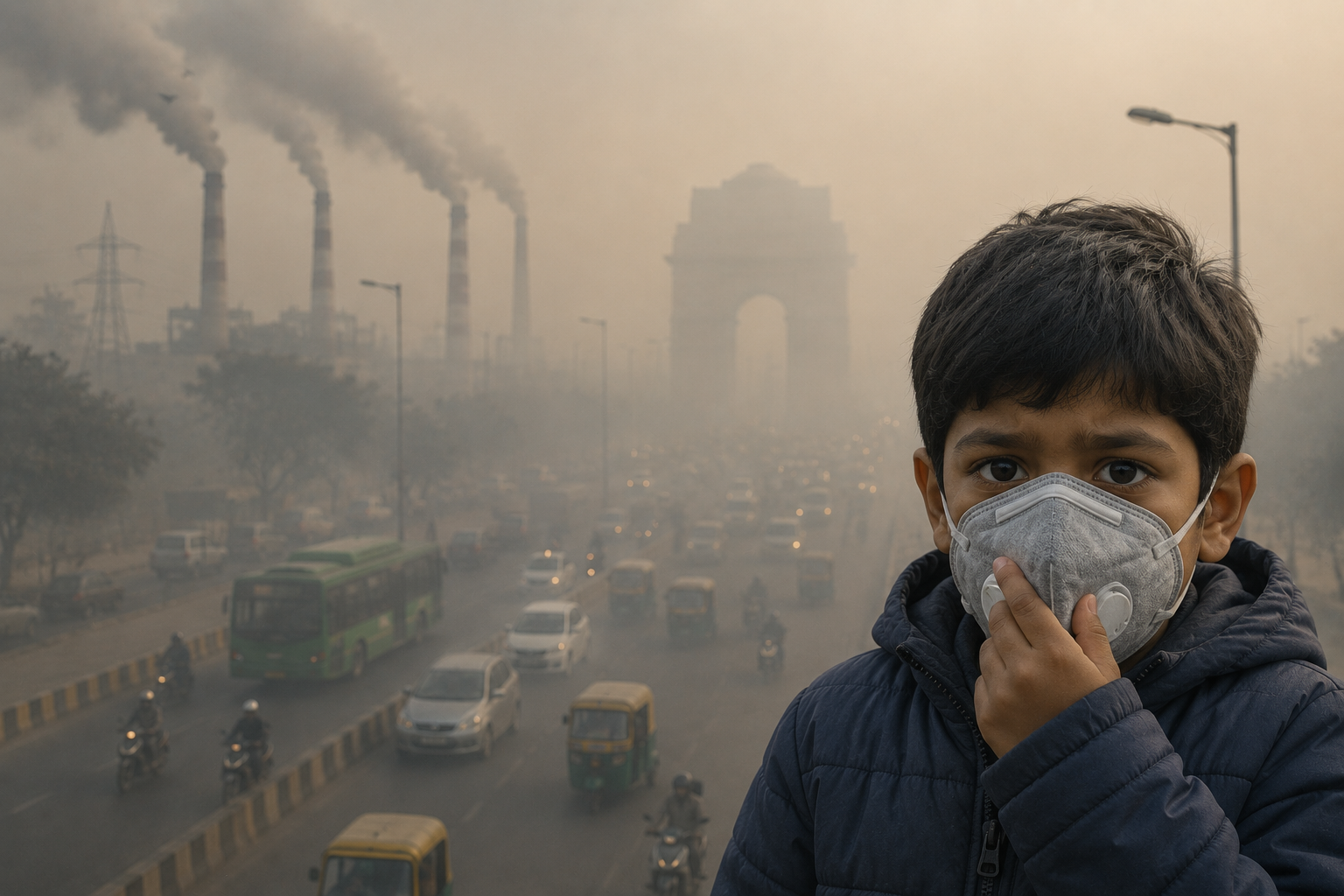
Air pollution has emerged as one of the most serious environmental challenges facing India today. Rapid industrialization, urbanization, increasing vehicle numbers, and the burning of fossil fuels have significantly deteriorated air quality across the country. Several Indian cities frequently rank among the most polluted cities in the world, making air pollution a major public health and environmental concern.
What is Air Pollution?
Air pollution refers to the presence of harmful substances, such as gases, dust particles, smoke, and chemicals, in the atmosphere at levels that can harm human health, animals, plants, and the environment.
Common air pollutants include:
- Particulate Matter (PM2.5 and PM10)
- Carbon Monoxide (CO)
- Sulfur Dioxide (SO₂)
- Nitrogen Oxides (NOₓ)
- Ozone (O₃)
- Volatile Organic Compounds (VOCs)
Major Causes of Air Pollution in India
- Vehicular Emissions: The rapid growth of automobiles has increased the emission of harmful gases and particulate matter. Traffic congestion in major cities further worsens air quality.
- Industrial Pollution: Factories, power plants, and manufacturing units release pollutants into the atmosphere through smokestacks and industrial processes.
- Crop Residue Burning: Stubble burning by farmers, particularly in northern India, contributes significantly to seasonal air pollution during winter months.
- Construction Activities: Dust generated from construction sites and infrastructure projects increases particulate pollution in urban areas.
- Burning of Fossil Fuels: Coal-based power generation and the use of diesel and petrol continue to be major sources of air pollution.
- Household Pollution: The use of biomass fuels such as wood, dung cakes, and crop residues for cooking in rural areas contributes to indoor and outdoor air pollution.
Impact on Human Health
- Respiratory Diseases: Polluted air can cause asthma, bronchitis, lung infections, and chronic obstructive pulmonary disease (COPD).
- Cardiovascular Problems: Long-term exposure to polluted air increases the risk of heart attacks, strokes, and other cardiovascular diseases.
- Reduced Life Expectancy: Studies indicate that prolonged exposure to polluted air can significantly reduce life expectancy.
- Children and Elderly: These groups are particularly vulnerable to the harmful effects of air pollution.
Environmental Impact
- Damage to crops and agricultural productivity.
- Acid rain formation.
- Reduced visibility and smog.
- Harm to wildlife and ecosystems.
- Contribution to climate change through greenhouse gas emissions.
Air Pollution Hotspots in India
Several cities regularly report high Air Quality Index (AQI) levels, including Delhi, Ghaziabad, Noida, Kanpur, Lucknow, and Patna.
During winter, meteorological conditions often trap pollutants near the ground, leading to severe smog episodes in Delhi-NCR and the Indo-Gangetic Plain. The Graded Response Action Plan (GRAP) is activated during such emergencies.
Government Initiatives
- National Clean Air Programme (NCAP): Launched in 2019 to reduce particulate pollution levels across cities.
- Bharat Stage VI (BS-VI) Norms: Implemented to reduce vehicle-related pollution with stricter emission standards.
- Promotion of Electric Vehicles: The government encourages electric mobility through subsidies and infrastructure development.
- Graded Response Action Plan (GRAP): Implemented in Delhi-NCR to tackle severe air pollution episodes through emergency measures.
Solutions to Air Pollution
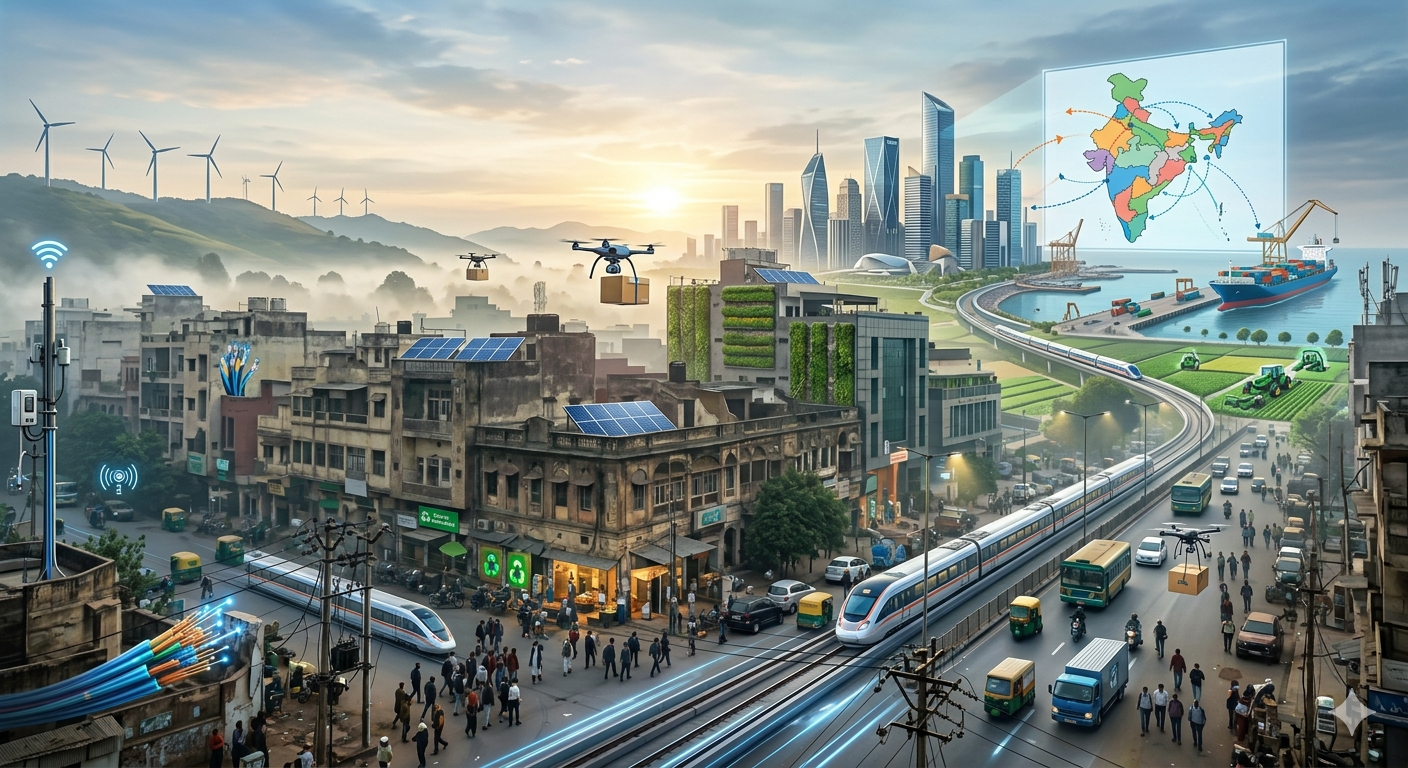
- Promotion of public transportation.
- Increased use of electric vehicles.
- Adoption of renewable energy sources.
- Strict industrial emission standards.
- Control of crop residue burning.
- Large-scale afforestation programs.
- Better waste management practices.
- Public awareness and community participation.
Conclusion
Air pollution is one of India's most pressing environmental and public health challenges. While significant steps have been taken to improve air quality, much more needs to be done to reduce emissions and protect public health. Through collective action and sustainable development, India can move toward cleaner air and a healthier environment for future generations.
Exam-Oriented Quick Facts
| Point | Detail |
|---|---|
| Major Pollutants | PM2.5, PM10, CO, SO₂, NOₓ, VOCs |
| Main Sources | Vehicles, Industries, Stubble Burning |
| Government Programme | National Clean Air Programme (NCAP) — launched 2019 |
| Vehicle Emission Standard | Bharat Stage VI (BS-VI) |
| Emergency Action Plan | Graded Response Action Plan (GRAP) — Delhi-NCR |
| Most Affected Group | Children and Elderly |
| Environmental Effect | Smog, Acid Rain, Climate Change |
| Key Solution | Renewable Energy and Cleaner Transport |
| Monitoring Index | Air Quality Index (AQI) |
| Sustainable Goal | Clean Air for All |