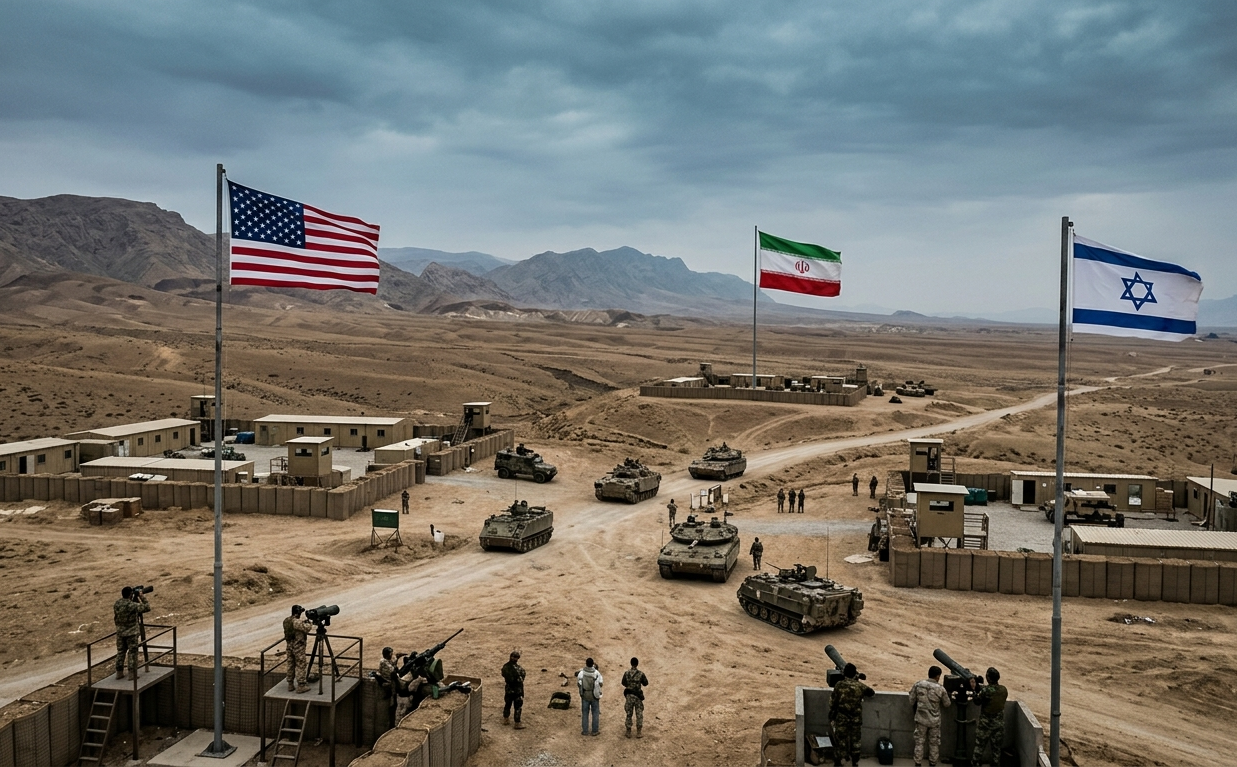
The ongoing tensions between the United States, Iran, and Israel have become one of the most significant geopolitical issues in the Middle East. The conflict involves military operations, diplomatic disputes, security concerns, and regional power struggles that affect not only the Middle East but also the global economy and international relations.
Background of the Conflict
The relationship between Iran and the United States has been tense since the 1979 Iranian Revolution. Over the decades, disagreements over Iran's nuclear program, regional influence, and sanctions have led to repeated confrontations.
Israel, a close ally of the United States, views Iran's military and nuclear activities as a major security threat. Iran, on the other hand, has criticized Israeli policies in the region and supports several groups opposed to Israel. These tensions have contributed to periodic military escalations and diplomatic crises.
Recent Developments (2026)
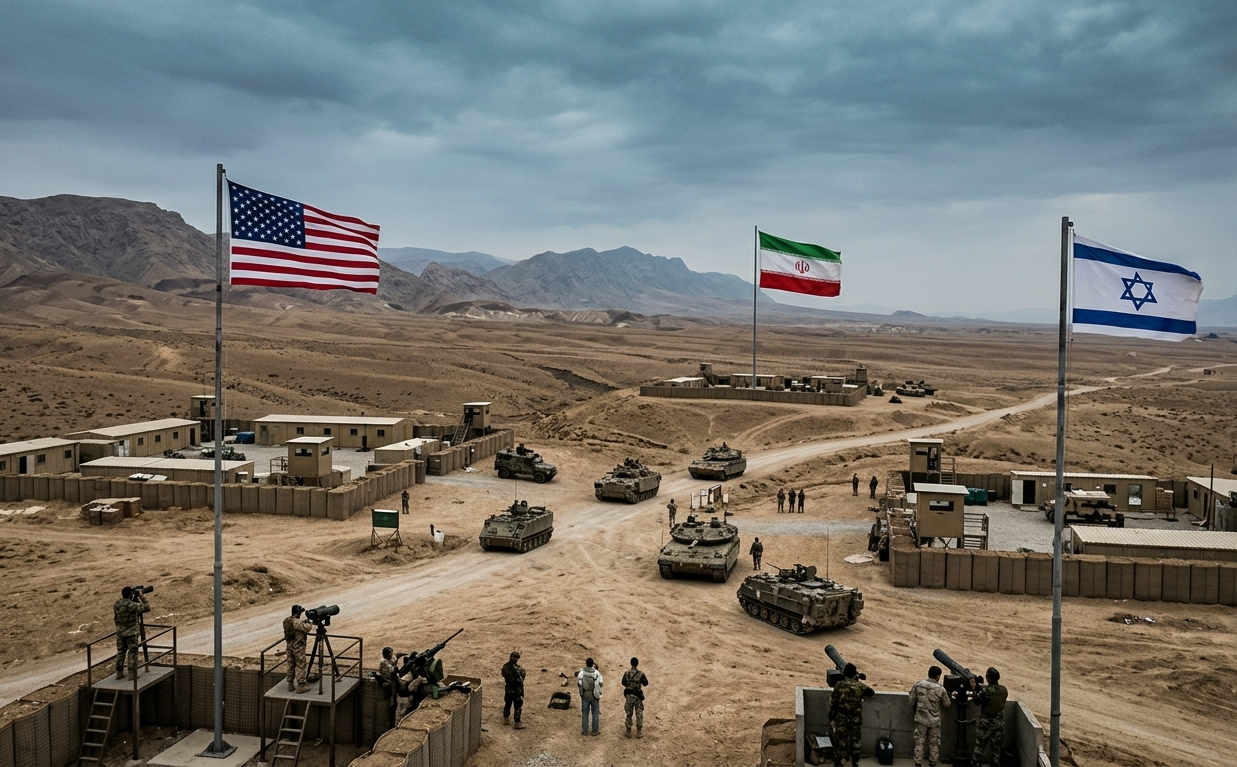
In 2026, tensions escalated into direct military confrontations involving the United States, Israel, and Iran. Reports indicate that military strikes, missile attacks, and retaliatory operations have taken place across multiple locations in the Middle East. The conflict has also involved attacks on strategic infrastructure and concerns over maritime security in the Persian Gulf and the Strait of Hormuz.
Recent diplomatic efforts have focused on achieving ceasefires and preventing a wider regional war. Both Iran and Israel have at times signaled willingness to pause hostilities, although the situation remains fragile.
Major Causes of the Conflict
- Nuclear Program Dispute: Iran's nuclear activities have long been a source of concern for the United States and Israel, which argue that nuclear weapons development could destabilize the region.
- Regional Influence: Iran seeks to expand its influence across the Middle East, while the United States and Israel aim to limit Tehran's strategic reach.
- Security Concerns: Israel considers Iranian missile capabilities and support for regional armed groups as major security challenges.
- Economic Sanctions: International sanctions imposed on Iran have created long-standing economic and diplomatic tensions between Tehran and Washington.
Global Impact
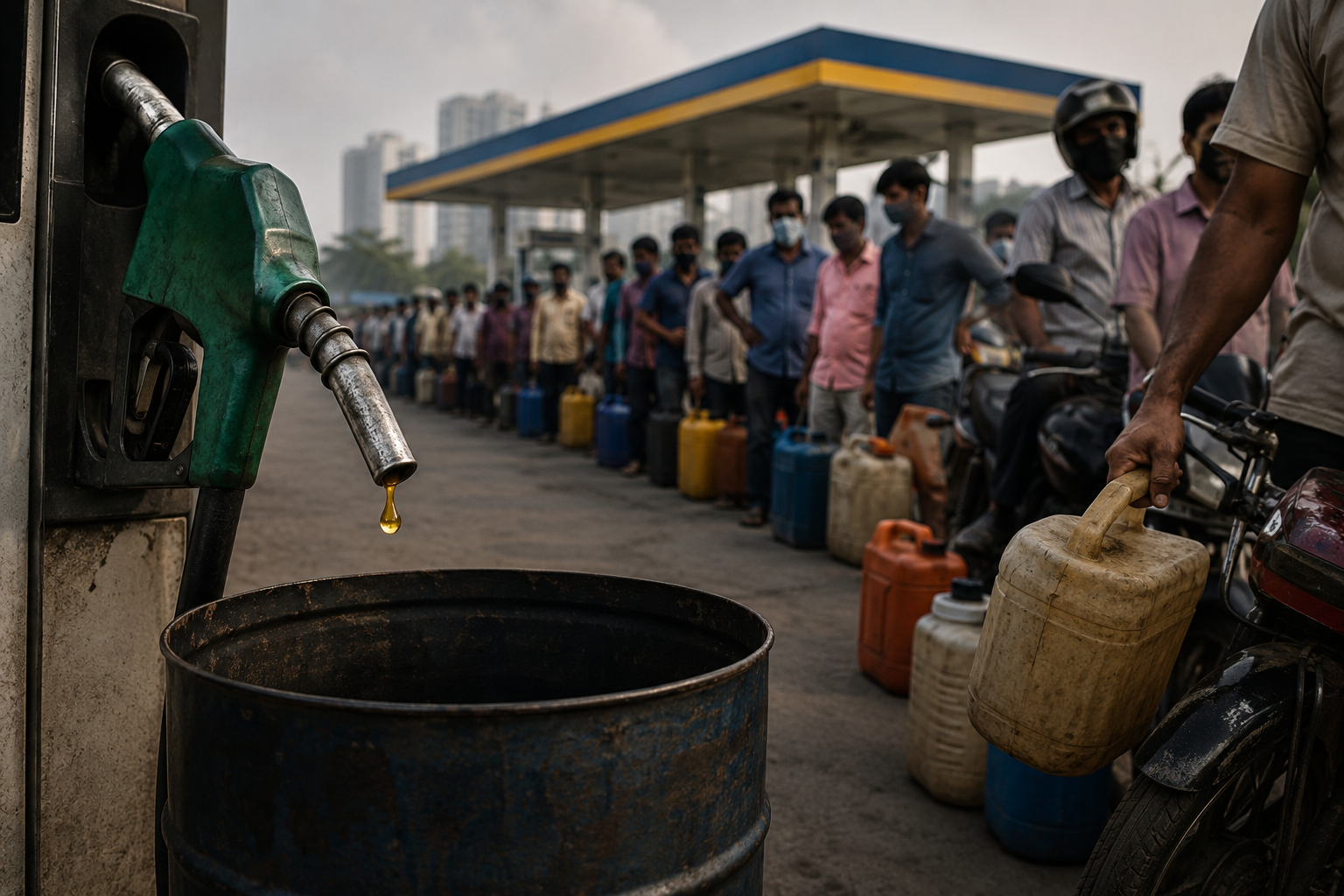
- Economic Effects: The Middle East is a major supplier of global energy resources. Any conflict involving Iran can affect oil production and shipping routes, leading to fluctuations in global fuel prices.
- Impact on International Trade: The Strait of Hormuz is one of the world's most important maritime trade routes. Any disruption in this region can affect global shipping and energy markets.
- Humanitarian Concerns: Armed conflicts often lead to civilian casualties, displacement, and damage to infrastructure. International organizations have repeatedly called for restraint and peaceful negotiations.
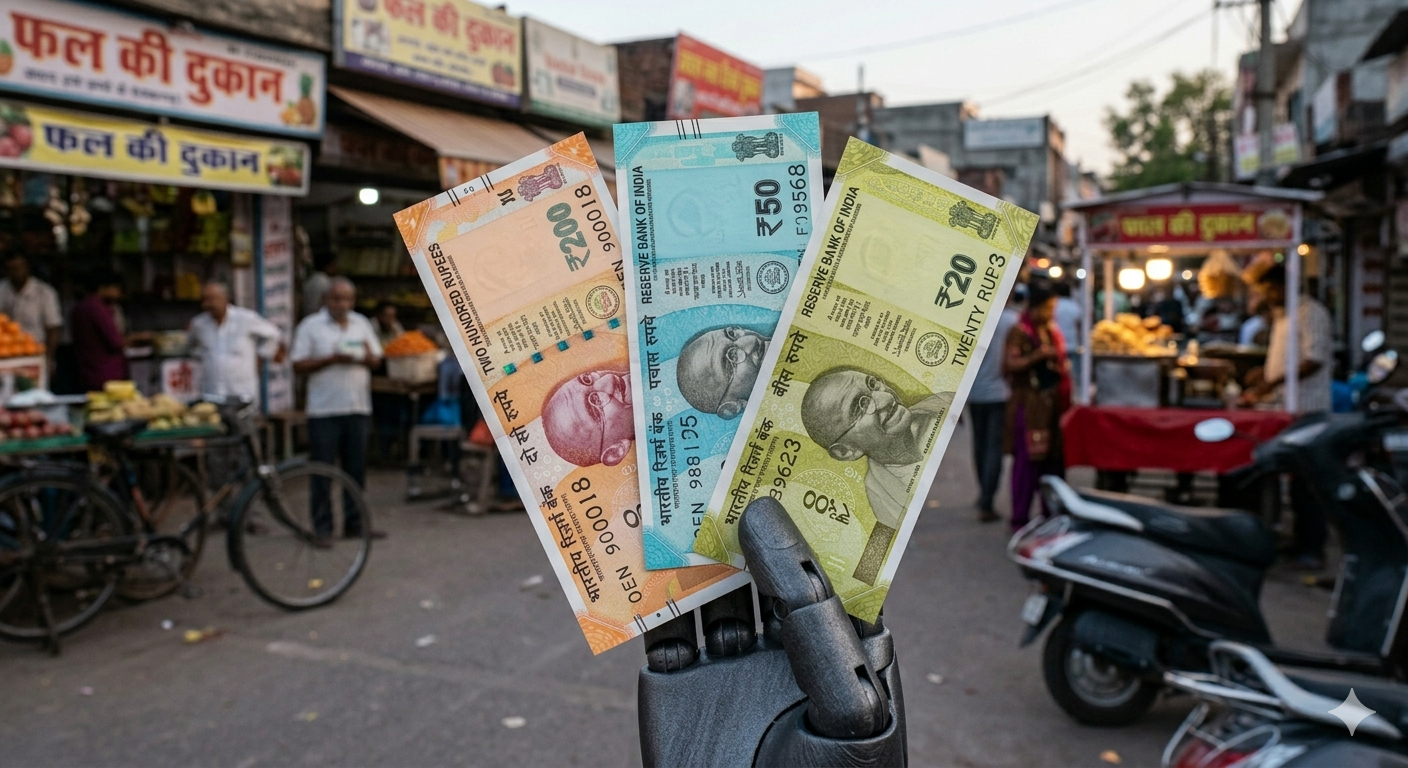
Impact on India
India has significant economic and strategic interests in the Middle East:
- India imports a large portion of its crude oil from the region.
- Rising oil prices can increase inflation and transportation costs.
- Indian workers living in Middle Eastern countries may be affected by regional instability.
- Maritime trade routes used by India could face disruptions during periods of conflict.
Diplomatic Efforts for Peace
Several countries and international organizations have encouraged dialogue between the parties involved. Diplomatic negotiations continue to focus on:
- Ceasefire agreements.
- Regional security arrangements.
- Nuclear program discussions.
- Reduction of military escalation.
Conclusion
The America–Iran–Israel conflict remains one of the most complex geopolitical challenges of the modern era. While military confrontations have increased tensions, diplomatic efforts continue to seek a peaceful resolution. The outcome of this conflict will have significant implications for global security, energy markets, and international relations in the years ahead.
Exam-Oriented Quick Facts
| Point | Detail |
|---|---|
| Main Countries Involved | United States, Iran, Israel |
| Key Issue | Regional Security and Nuclear Program |
| Conflict Origin | 1979 Iranian Revolution |
| Strategic Waterway | Strait of Hormuz |
| Major Global Impact | Oil Prices and Trade Routes |
| India's Concern | Energy Security and Trade |
| Recent Focus | Ceasefire and Peace Negotiations |
| Affected Region | Middle East (West Asia) |
| International Importance | Global Security and Energy Markets |